
Last updated October 16, 2026
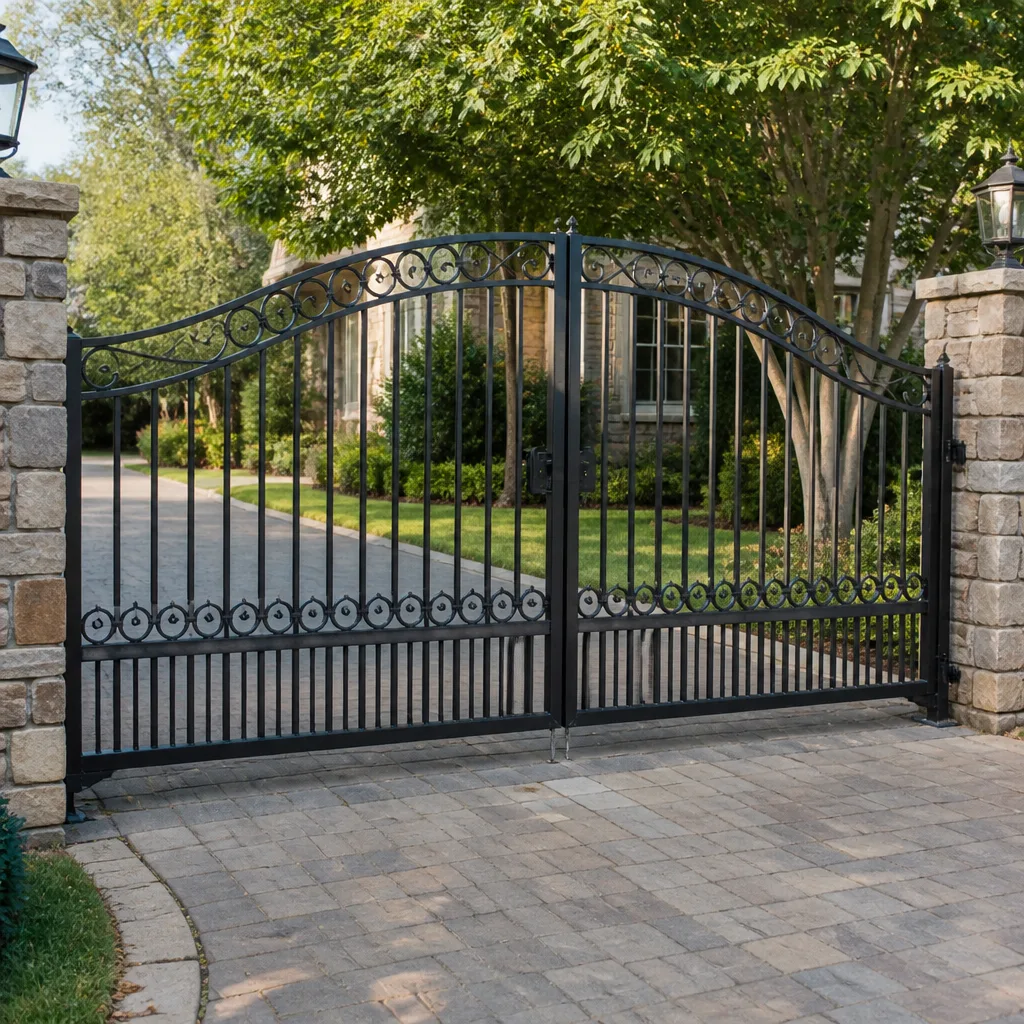 Wrought iron
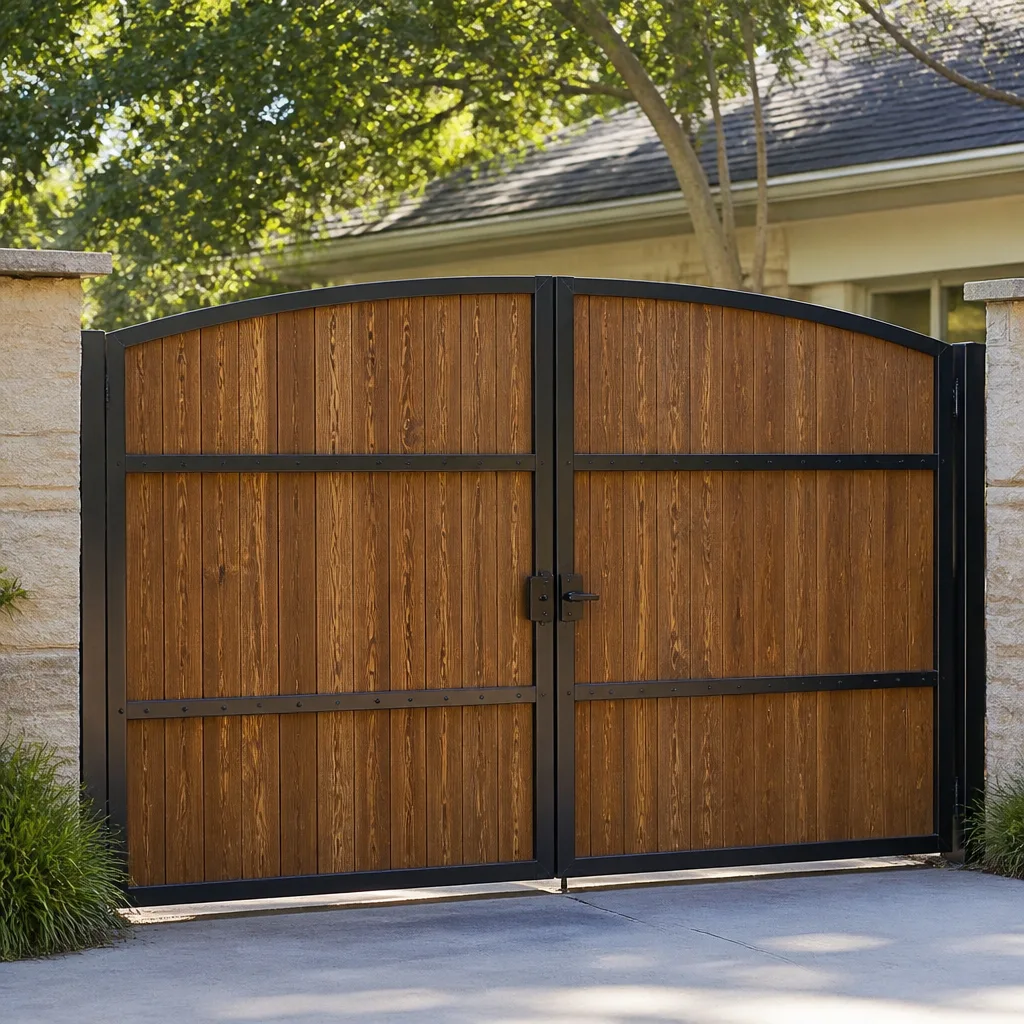 Wood & steel frame
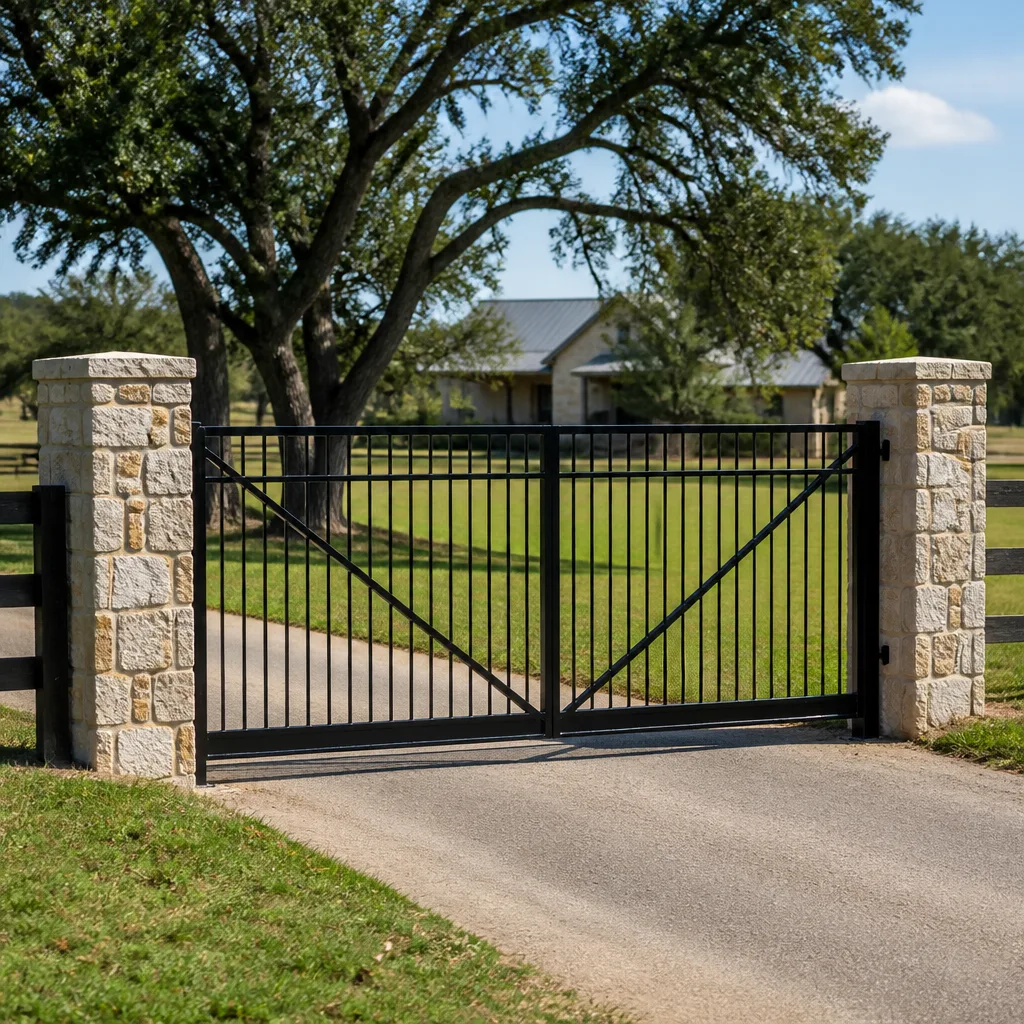 Farm & ranch
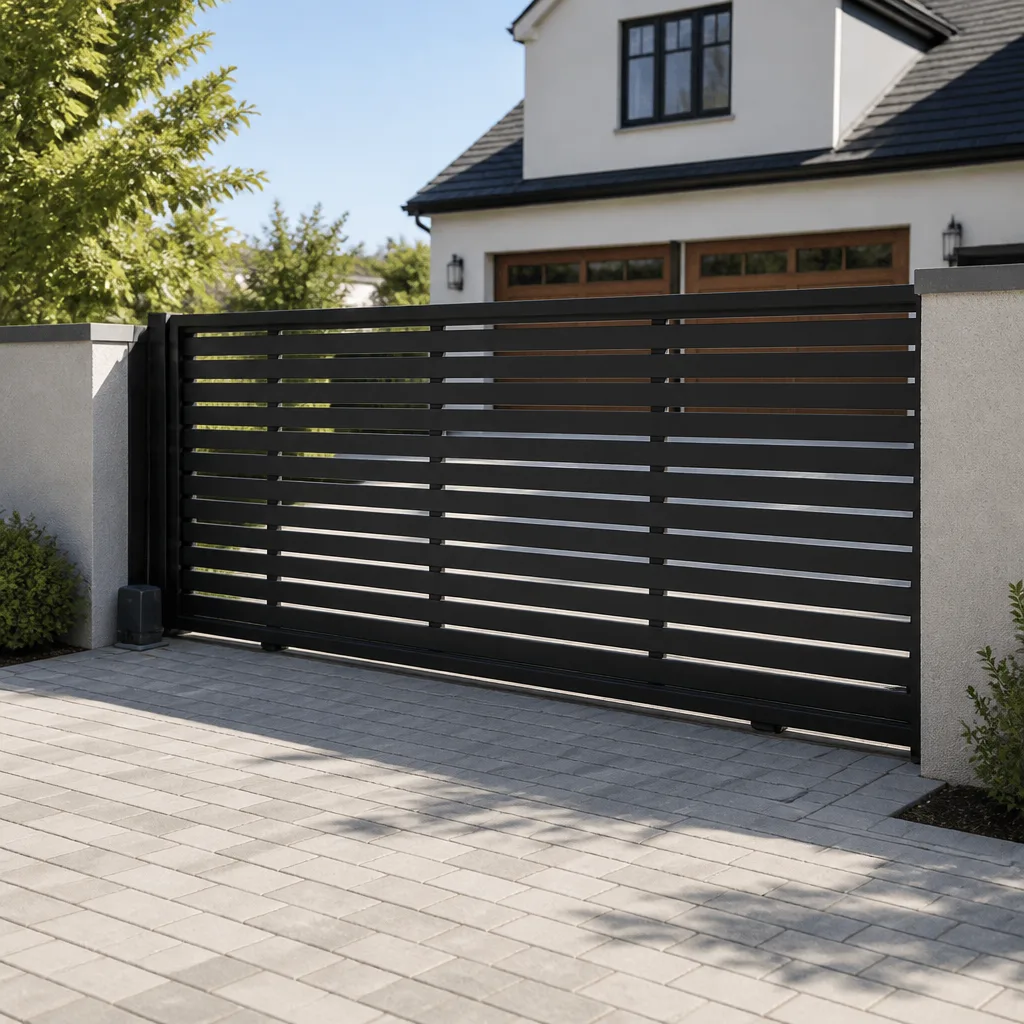 Sliding driveway gates
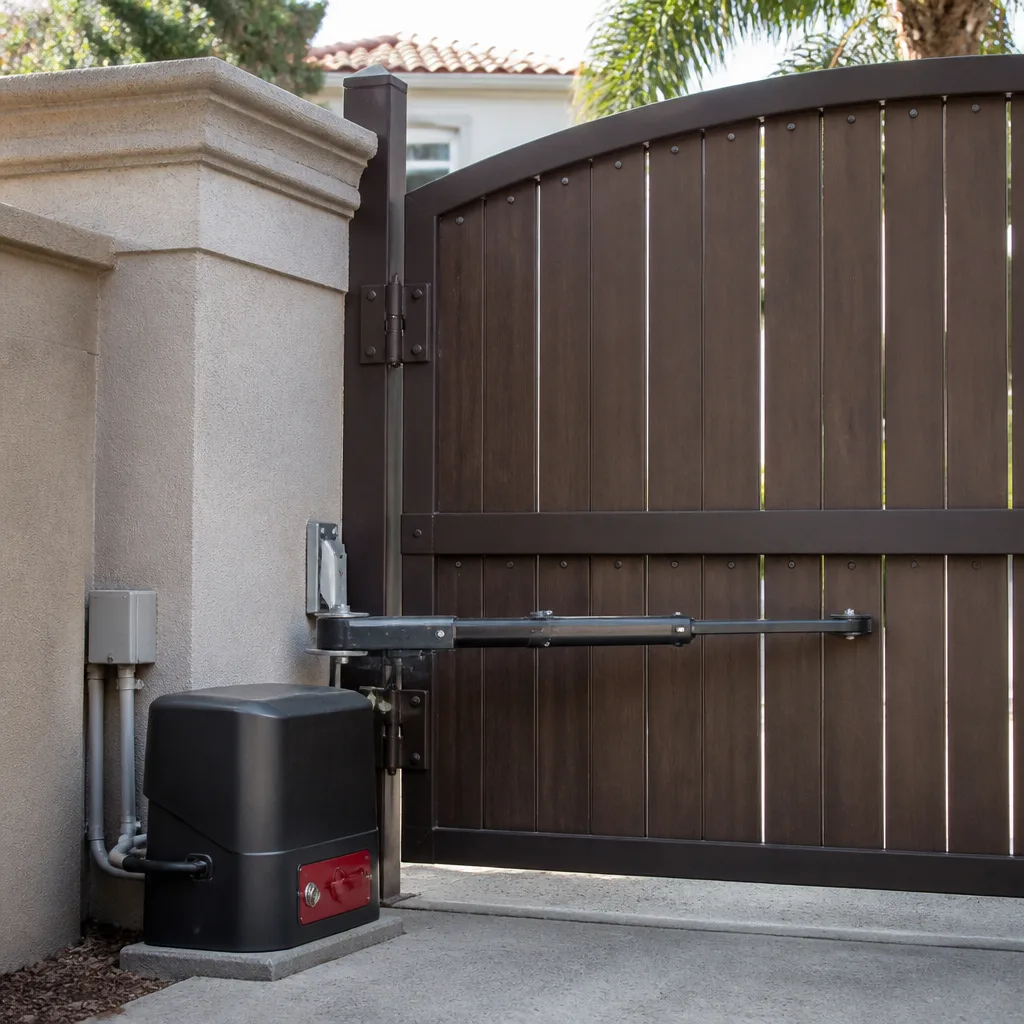 LiftMaster operators
Free on-site gate assessment - hinges, posts, and your LiftMaster or Nice gate operator checked before anything is quoted
The assessment is free and the quote is the invoice.
Get your free estimateHow to Hire a Gate Repair Contractor in Austin: A Step-by-Step Guide
Here is a fact that surprises most Austin homeowners: there is no state licensing requirement specific to gate repair technicians in Texas. An electrician needs a license. A plumber needs a license. But a person who installs, wires, and repairs an automated gate that weighs 800 pounds and runs on 240 volts does not need any gate-specific credential to hang a shingle. That gap means the burden of verification falls entirely on you. This guide-along with our Complete Guide to Gate Repair in Austin-gives you a concrete screening script and a written-price checklist that closes that gap before a single tool comes off the truck. We have repaired gates in Austin since 2008, and we will show you exactly how to separate a specialist from a handyman who added gates to his service list last spring.
Styles & brands we work with
Quick Answer
To hire a gate repair contractor in Austin, ask four questions before booking: which gate brands they are factory-trained on, whether they carry general liability insurance and can email you the certificate, whether they will send a written price before any work starts, and whether they will tell you the technician’s name and send a photo before arrival. A real specialist answers all four without hesitation and puts the price in writing. Get at least two written estimates, verify the answers, and never pay in full upfront.
Table of Contents
- How to Verify a Gate Contractor’s Credentials in Texas
- The Four Questions to Ask Before You Book
- How to Get and Read a Written Price Before Work Starts
- Technician Verification: Why a Name and Photo Is a Professional Standard
- Red Flags in Gate Repair Reviews: What to Look For
- Specialist vs. General Handyman: How to Tell the Difference
- Austin-Specific Factors That Affect Gate Repair
- The Questions Homeowners Forget to Ask
- Common Mistakes to Avoid
- When to Call a Professional
- Frequently Asked Questions
- The Bottom Line
How to Verify a Gate Contractor’s Credentials in Texas
Let’s start with the uncomfortable truth about “licensed and insured” in Texas gate repair. Because no state agency issues a gate repair license, that phrase on a website or a truck door means whatever the person printing it wants it to mean. The relevant question is not “are you licensed?” It is “licensed by whom, for what, and can I verify it?”
Here is what actually matters for gate work in Austin:
- Electrical license. An automated gate is an electrical system. Gate motors pull 120V or 240V, and the wiring from your panel to the operator carries real risk. If a gate company employs a master electrician or works under a licensed electrical contractor, that is the single strongest credential you can verify. Ask for the Texas electrical license number and check it at the Texas Department of Licensing and Regulation website. It takes under two minutes.
- General liability insurance. Ask for a certificate of insurance (COI) emailed directly to you. The COI should name you as the certificate holder and show general liability coverage. If a contractor hesitates to provide a COI, end the conversation.
- Brand-level factory training. Certifications from LiftMaster, FAAC, BFT, or Linear mean the technician has been trained by the manufacturer on that specific equipment. Not all gate brands operate the same way, and a factory-trained tech brings the right diagnostic sequence and the right parts on the first trip. This is a meaningful credential in a trade where no state license exists.
- Workers’ compensation. If a technician gets hurt on your Austin property and the company lacks workers’ comp, your homeowner’s insurance may be on the hook. Ask if workers’ compensation coverage applies to the technicians who will be on site.
In our experience in Austin, roughly half of the gate repair inquiries we receive start with a homeowner who already paid someone else to fix the same gate and watched it fail again within months. The common thread is nearly always the same: the first contractor was not a gate specialist, had no brand-level training, and priced the job low enough to win it without understanding the equipment.
Two-minute verification checklist:
- Ask for the Texas electrical license number. Verify it at the TDLR website.
- Request a certificate of insurance by email before the visit.
- Ask which gate brands the company is factory-trained on. Write down the answer.
- Ask how long the company has specialized specifically in gate work, not general contracting.
For a deeper look at what quality gate service involves, see our Gate Repair in Austin page.
The Four Questions to Ask Before You Book
These four questions cut through marketing language faster than any review scan. We recommend asking each one by phone before you schedule a visit. A specialist answers immediately. A generalist stalls, deflects, or gives a vague answer.
- “Which gate and opener brands are your technicians factory-trained on?” A specialist names specific brands without pausing: LiftMaster, FAAC, BFT, Linear, and a handful of others. A general handyman says something like “we work on all of them” or “gates are all pretty similar.” They are not. A FAAC hydraulic operator and a LiftMaster belt-driven slide operator share almost nothing in common beyond the gate itself.
- “Will you send me the technician’s name and a photo before the visit?” This single question eliminates the anonymous-stranger problem that makes so many Austin homeowners hesitant to open the door. A company that has a vetting process is proud to show it. A company that sends whoever is available will resist this request. Walk away.
- “Do you provide a written price before any work begins?” This is a binary question. The answer should be yes, delivered without caveats. If the contractor says “we’ll know more once we open it up” or “it depends on what we find,” ask how the final price will be communicated and whether it will be in writing before tools come out. A professional gives you a written price after diagnosis and before repair. Always.
- “What does your work guarantee cover, and is it in writing?” Listen for specifics: a duration, a written document, and what happens if the repair fails. “We stand behind our work” is a slogan. “Every repair is guaranteed in writing for 365 days, and if it fails, the return visit is free” is a guarantee.
If you want a preview of how a specific gate problem gets diagnosed and priced, our Electric Gate Repair in Austin page walks through common failure patterns and what repair includes.
How to Get and Read a Written Price Before Work Starts
The second major failure point in hiring a gate contractor is the invoice surprise. A technician gives a verbal estimate of “$300 to $500,” finishes the job, and hands over a bill for $900 with line items that did not exist an hour earlier. By Austin law, verbal agreements are enforceable, but proving what was said is nearly impossible. That is why a written price before work begins is the only protection that actually works.
Here is what a professional written price for gate repair should include:
- Labor: a specific dollar amount or an hourly rate with an estimated number of hours.
- Parts: each part named by its actual part number or description, not “gate motor – various.” A specific line item reads “LiftMaster LA400 actuator arm” or “FAAC 455 D control board.” A vague line item reads “parts.”
- Diagnostic fee: stated clearly, and the contractor should tell you upfront whether the diagnostic fee is credited toward the repair if you approve the work.
- Service call fee: stated clearly, including whether it is separate from or included in the diagnostic fee.
- Warranty: what is covered, for how long, and in writing.
- Total: one number at the bottom, before tax, with the word “estimate” or “quote” clearly marked if it is not final.
Push back on these vague terms:
- “Miscellaneous parts” or “shop supplies” as a line item without a dollar amount.
- “Labor as needed” with no hourly rate.
- “We’ll finalize the total after the work is done.”
- “Verbal estimate.” Any contractor who refuses to write the price down is telling you something important.
In Austin gate repair pricing, most single-operator failures run between $450 and $1,400 depending on the brand and the component. A full operator replacement on a slide gate can range from $1,800 to $4,000. These are wide ranges because the equipment varies enormously. A written price eliminates the guesswork for your specific gate. At Warden Gate Repair Austin, a written price before work starts is our standard on every job, not an exception we make when asked.
Technician Verification: Why a Name and Photo Is a Professional Standard
Every Austin homeowner who opens the door to a repair person is making a trust decision in under thirty seconds. The person on the other side of the threshold could be anyone. Most homeowners do not even know what their technician will look like until the doorbell rings.
There is a better standard, and it is not technology. It is two pieces of information: a name and a photo. Sent to you before the visit. That is it. When a company sends you the technician’s name and a photo before arrival, three things happen:
- You control the door. You know who you are opening it to. If the person on your porch does not match the photo, you do not open the door. Simple.
- The company has already made a commitment. Sending a specific person means the company has assigned a specific employee, not a subcontractor of unknown origin.
- You can verify at the door. Ask to see the photo ID badge. A professional technician expects this request. A person who is not supposed to be there will hesitate or make an excuse.
We call this process the Threshold Standard. Every Warden Gate Repair technician is background-checked, identity-verified, and photo-badged before they are ever dispatched. The customer gets the name and photo before arrival, and the technician shows a photo ID badge at the door. Every visit. No exceptions. It is the standard we would want for our own families, and it is the standard every Austin homeowner should demand from any contractor they allow onto their property.
If a gate company cannot or will not tell you who is coming, that is the end of the conversation. There are dozens of gate repair providers in Austin. None of them should be anonymous.
Red Flags in Gate Repair Reviews: What to Look For
Online reviews are useful, but not in the way most people think. A five-star average tells you almost nothing. The pattern of complaints tells you everything. In Austin gate repair specifically, certain phrases appear again and again in reviews of bad contractors. Learn to recognize them.
Bait-and-switch pricing red flags:
- “The final bill was higher than the quote and he wouldn’t explain why.” This is the single most common complaint pattern in gate repair reviews. It usually means there was no written price before work started.
- “He said he needed to order parts and never came back.” Deposit taken, no work completed.
- “They added a trip charge, a diagnostic charge, and a service fee to a repair that took 45 minutes.” Doubled or tripled fees signal a business model built on confusion.
Quality complaints that actually matter:
- “The gate worked for two weeks and then made the same noise again.” This is a misdiagnosis. A specialist would have found the root cause the first time.
- “He replaced the motor but the gate still drags on the ground.” This is a technician who fixed one component and ignored the mechanical side.
- “The gate moves slower than before the repair.” This can be a binding hinge, a misaligned track, or an improperly calibrated force setting. All of them are diagnosable before the repair, not after.
Genuine complaints versus noise:
- A one-star review about a technician being ten minutes late is noise. A one-star review about a quoted price doubling at the end of the job is a pattern.
- A complaint about gate operation after a repair is a quality signal. A complaint about the office not calling back within an hour is a communication issue, not a technical failure.
Read reviews for the phrases above. Ignore the overall star count. A company with 200 five-star reviews and 20 one-star reviews containing those bait-and-switch phrases is a higher risk than a company with 80 four-star reviews and no pricing complaints at all.
If the problem is specifically the motor, Gate Motor Repair in Austin covers what actually fails inside an operator and what quality repair looks like.
Specialist vs. General Handyman: How to Tell the Difference
Austin is full of general handymen who list “gates” on their service menu alongside drywall, fence staining, and ceiling fan installation. There is nothing wrong with a good handyman for the right job. An automated gate is not that job.
Here is why:
- Diagnostics. A gate that opens but will not close could be a photocell alignment issue, a force-sensitivity setting, a control board failure, a limit switch problem, or a mechanical bind in the track. A specialist narrows that list in minutes. A generalist starts swapping parts and hoping.
- Brand knowledge. A LiftMaster operator has a different diagnostic sequence, different programming steps, and different common failure points than a FAAC hydraulic system or a BFT board. A specialist knows the difference. A generalist looks at them as “the box that moves the gate.”
- Parts inventory. A gate specialist carries common control boards, limit switches, photocells, and actuators for the brands they service. A generalist orders every part, which means a second visit, which means more time with a broken gate.
- Safety systems. Automated gates are required to have safety entrapment protection: photocells, edge sensors, or both. A specialist knows the current UL 325 standards and verifies safety systems as part of every repair. A generalist may not know what UL 325 is.
Ask directly: “How much of your work each month is gate repair, specifically?” A real gate specialist answers without hesitation: all of it, or nearly all of it. A generalist says something like “we do a lot of gates” and then changes the subject. Listen to the difference.
Austin-Specific Factors That Affect Gate Repair
Austin’s climate and geography create gate problems that a contractor from Dallas or Houston may not immediately recognize as patterns. We cover these in our Seasonal Gate Repair Care for Austin: Year-Round Homeowner’s Guide, and we see them every week.
Heat. Austin summers routinely push 100 degrees in July and August. Control boards inside metal operator boxes can reach internal temperatures well above the ambient air. Capacitors on older boards fail faster. Limit switches deform. Plastic gears inside some consumer-grade openers soften. A gate that works fine in October may fail in August because the board finally gave up after years of thermal stress. When you are getting a quote, ask whether the replacement parts are rated for high-temperature exposure.
Limestone and soil movement. Austin sits on the Edwards Plateau. Soil here is rocky, thin, and prone to seasonal movement as moisture levels shift between drought and the heavy rains we get in spring and fall. Gate posts set in shallow concrete or undersized footings can shift slightly, throwing the gate out of alignment. A gate that scrapes the ground in August may have settled over a summer of dry, compacted soil. Proper footings matter more in Austin than in many other Texas metros.
Hill Country wind loads. West of Austin, solid wood gates and large steel gates catch wind like sails. Undersized operators working against wind load fail prematurely. A specialist factors gate weight, length, and prevailing wind into the operator recommendation. A generalist sells whatever operator is on the truck.
HOA requirements. Many Austin neighborhoods, particularly in master-planned communities in areas like Steiner Ranch, Circle C, and parts of Round Rock and Cedar Park, have architectural control rules about gate style, height, and materials. Before replacing a gate, check your HOA documents. A good gate contractor will ask about HOA constraints before ordering materials.
The Questions Homeowners Forget to Ask
These are the questions that rarely get asked until a problem appears, at which point the answer is already in your rearview mirror.
- “Is the diagnostic fee credited toward the repair if I approve the work?” Many companies charge a diagnostic fee and then a separate repair fee. Some credit the diagnostic toward the repair. Know which you are agreeing to before the visit.
- “Who performs the repair: your employee or a subcontractor?” If a subcontractor, ask for that person’s name, photo, and proof of insurance separately. The company you hire should be the company that shows up.
- “What happens if the repair fails in the first month?” A written answer to this question is the difference between a guarantee and a slogan. At Warden Gate Repair, the 365-Day Done Right Promise means if the repair is not right, we make it right, with a free second visit included in every job.
- “Will you check the safety sensors and edges even if they are not the reported problem?” A specialist verifies entrapment protection on every visit because liability and safety do not end at the motor. A generalist fixes what was reported and leaves.
- “Do you have experience with my specific opener model?” Write down your opener’s brand and model before calling. If the contractor asks what a “FAAC 455 D” is, keep dialing.
Common Mistakes to Avoid
- Hiring on price alone. The cheapest gate repair in Austin is usually the most expensive within ninety days. A low-ball quote often means the contractor has not actually diagnosed the problem and plans to inflate the invoice after the gate is apart.
- Skipping the written price. “He seemed like a nice guy” is not a pricing strategy. Get the number in writing before work starts. Every time.
- Not asking who is coming. You will let a stranger onto your property and possibly into your home. You have a right to know their name and see their face before you open the door.
- Assuming “licensed and insured” means something specific. In Texas gate work, it often means neither. Verify the license number and the insurance certificate.
- Ignoring the safety systems. An automated gate without working photocells and safety edges is a machine that can injure a child or pet. A repair is not complete until the safety systems are verified. We see disconnected sensors on a meaningful percentage of older Austin gates.
- Not getting the guarantee in writing. A verbal promise is worth the air it travels through. Demand the guarantee in writing with a duration and a description of what it covers.
When to Call a Professional
Some gate problems are safe to investigate yourself: a tripped breaker, an obstruction in the track, a remote control with a dead battery. Most are not. A gate motor contains high-voltage wiring. A torsion spring on a gate operator stores enough energy to break fingers. A sliding gate that derails can fall. If your gate is making a grinding noise, shaking, failing to stop when it should, or moving at the wrong speed, stop using it and call a professional. This is not a drill. A malfunctioning automated gate is a piece of heavy equipment, not a household appliance.
If you are in Austin and your gate is misbehaving, our Gate Repair services include free estimates and live-person phone support 24/7. Call (361) 268-6253 and describe what the gate is doing. We will tell you honestly whether it sounds urgent and what you can expect to pay before we ever come out.
Frequently Asked Questions
Most gate repairs in Austin run between $450 and $1,400 depending on the brand and the component that failed. A simple photocell replacement might cost a few hundred dollars. A full operator replacement on a slide gate can run from $1,800 to $4,000. The only way to know your price is a written quote after diagnosis. Call (361) 268-6253 for a free estimate.
We carry common parts for LiftMaster, FAAC, BFT, and Linear operators on our trucks, so many repairs are completed same-day. If your gate requires a part we do not have in inventory, we will give you a written price and a timeline before leaving. Call (361) 268-6253 to describe the problem and we will tell you what is realistic.
No. Texas has no gate-specific license. The meaningful credentials are a Texas electrical license, general liability insurance, and factory training from the brands the contractor services. Ask for all three before booking.
A professional written estimate includes labor at a stated rate, each part identified by name or part number, any diagnostic or trip fees clearly listed, a warranty description, and a total before tax. Vague terms like “miscellaneous parts” or “labor as needed” are red flags.
Because you should know who is coming to your property before you open the door. A name and photo sent before arrival lets you verify identity at the door. If the person on your porch does not match the photo, you do not open the door. Every Warden Gate Repair customer gets their technician’s name and photo before arrival, and the tech shows a photo ID badge on site.
Every repair from Warden Gate Repair is guaranteed in writing for 365 days. If the repair fails during that period, the return visit is free. Call (361) 268-6253 and we will make it right.
The Bottom Line
Hiring a gate repair contractor in Austin is not about finding the lowest price or the biggest ad in the neighborhood coupon mailer. It is about verifying two things: who is coming to your door and what the work will cost in writing before it begins. Ask the four questions. Demand the written price. Insist on a name and a photo. Check the insurance certificate and the electrical license. If a contractor clears every one of those bars, you have found a professional. If they fumble on any of them, keep looking. Austin has no shortage of gate repair options. You have the right to choose one that proves itself before the work starts.
Written by Cole Rafferty, Owner at Warden Gate Repair Austin, serving Austin since 2008.
See the difference
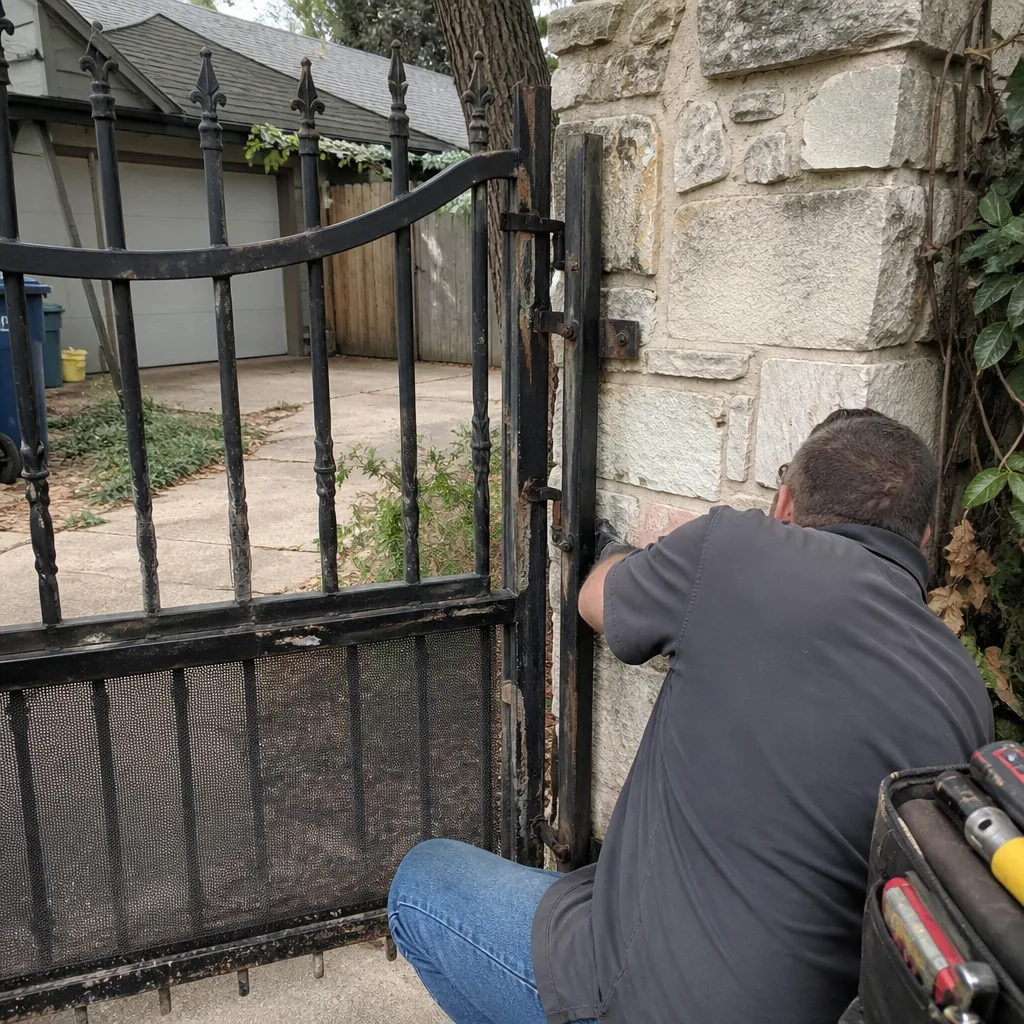 Before
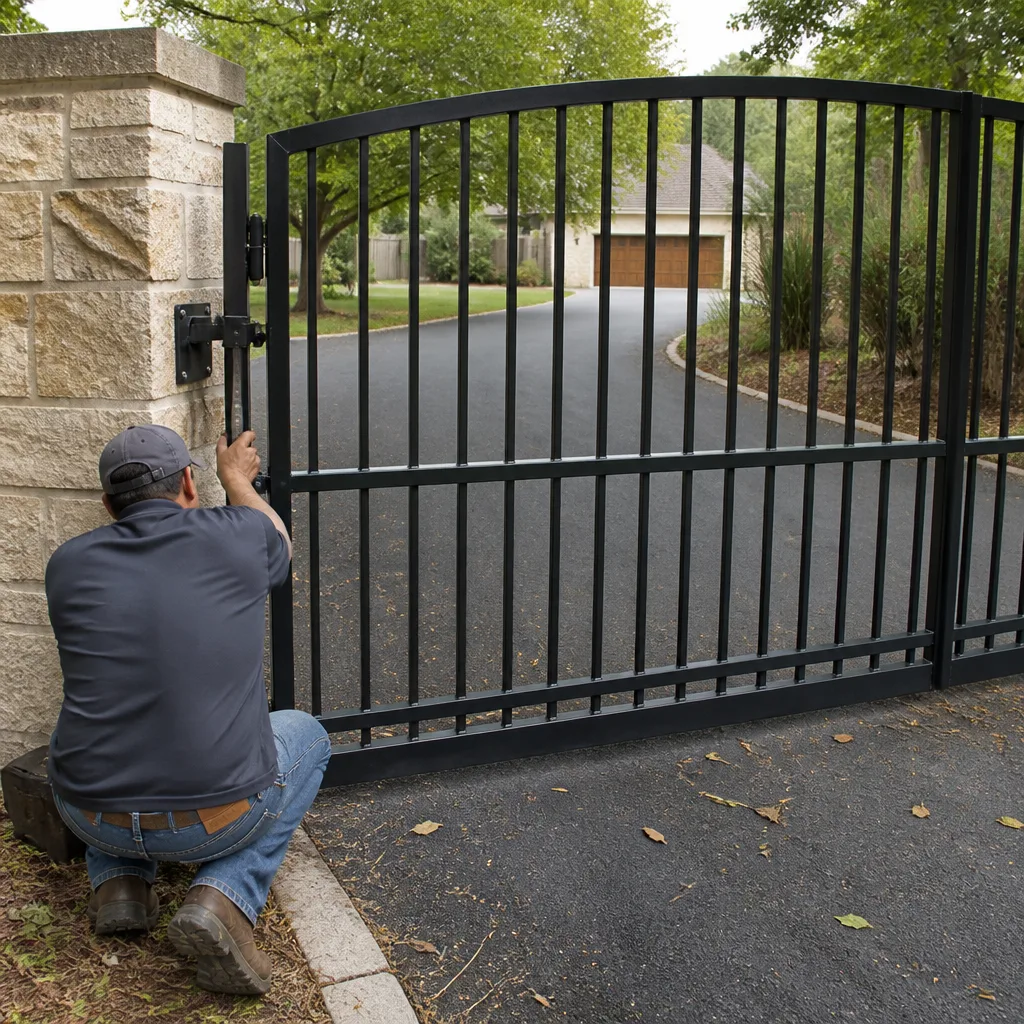 After
After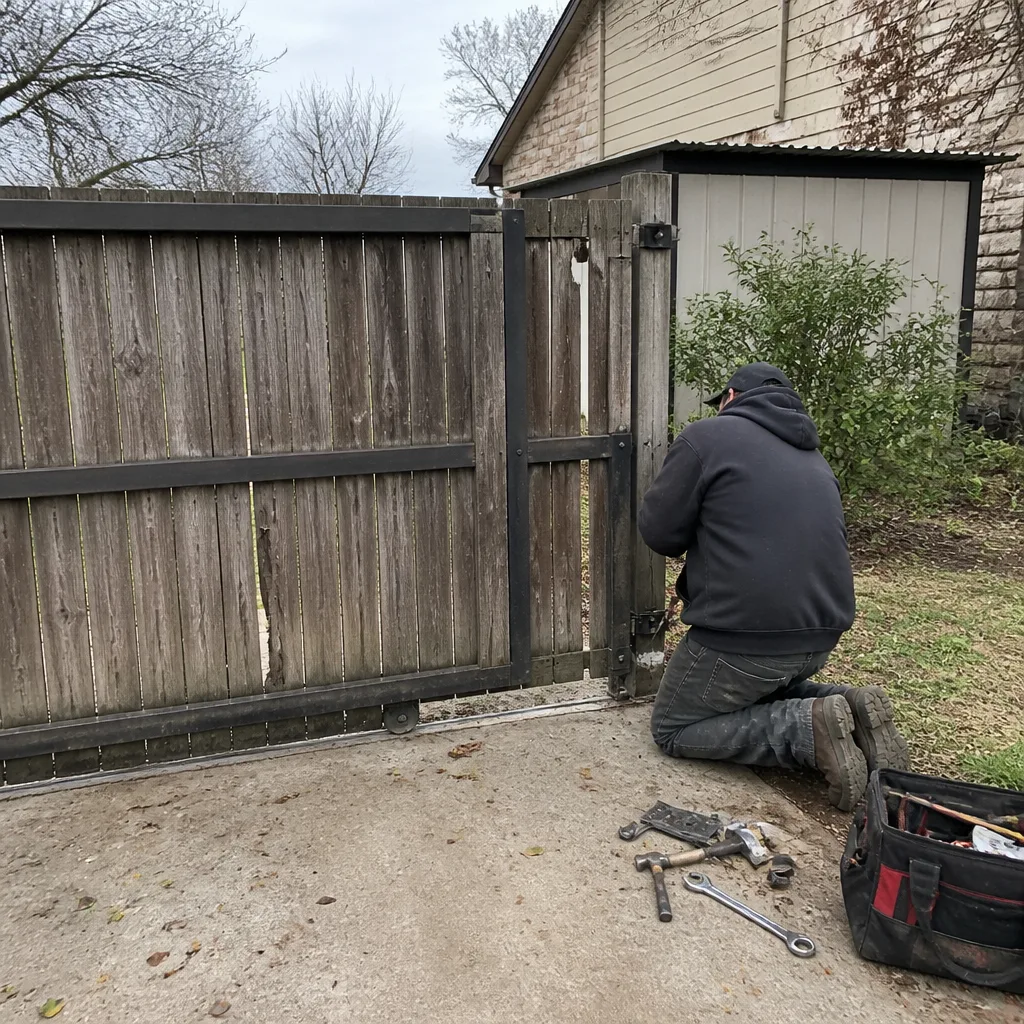 Before
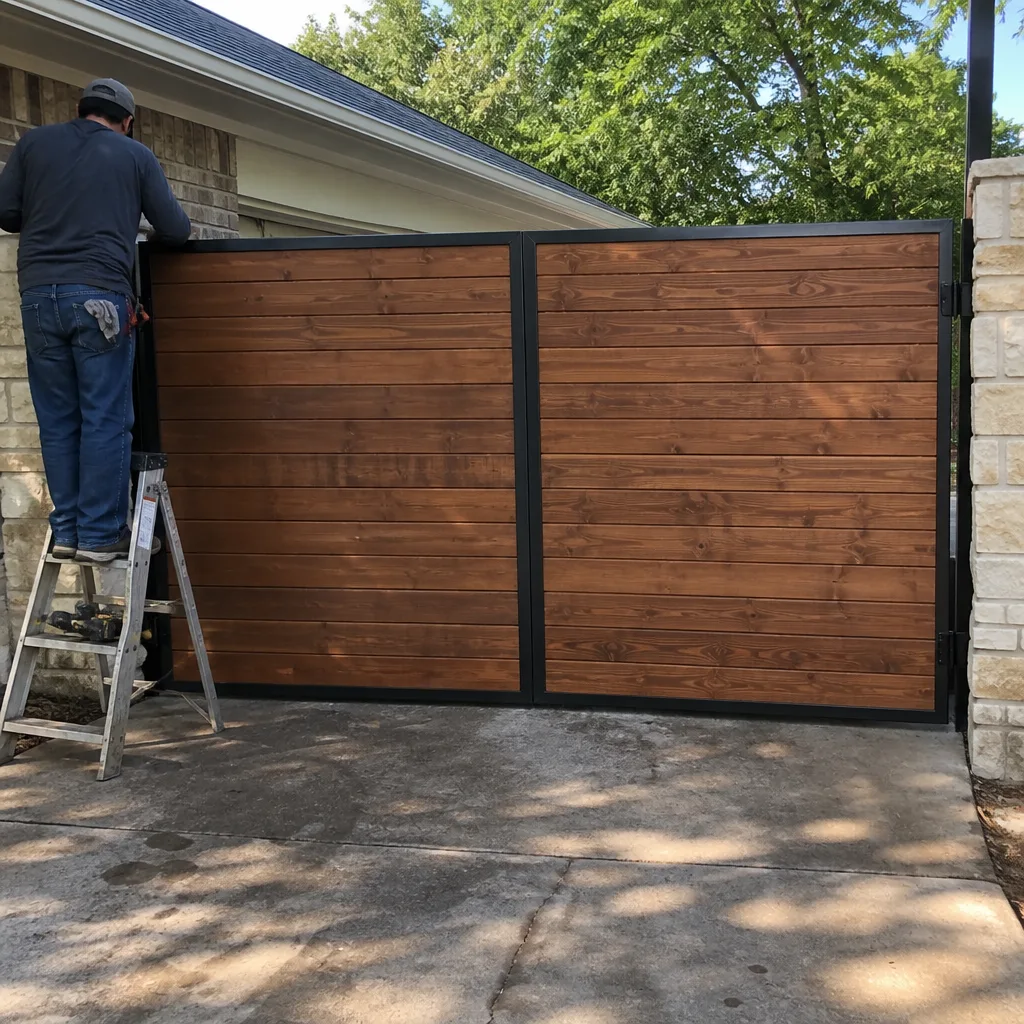 After
After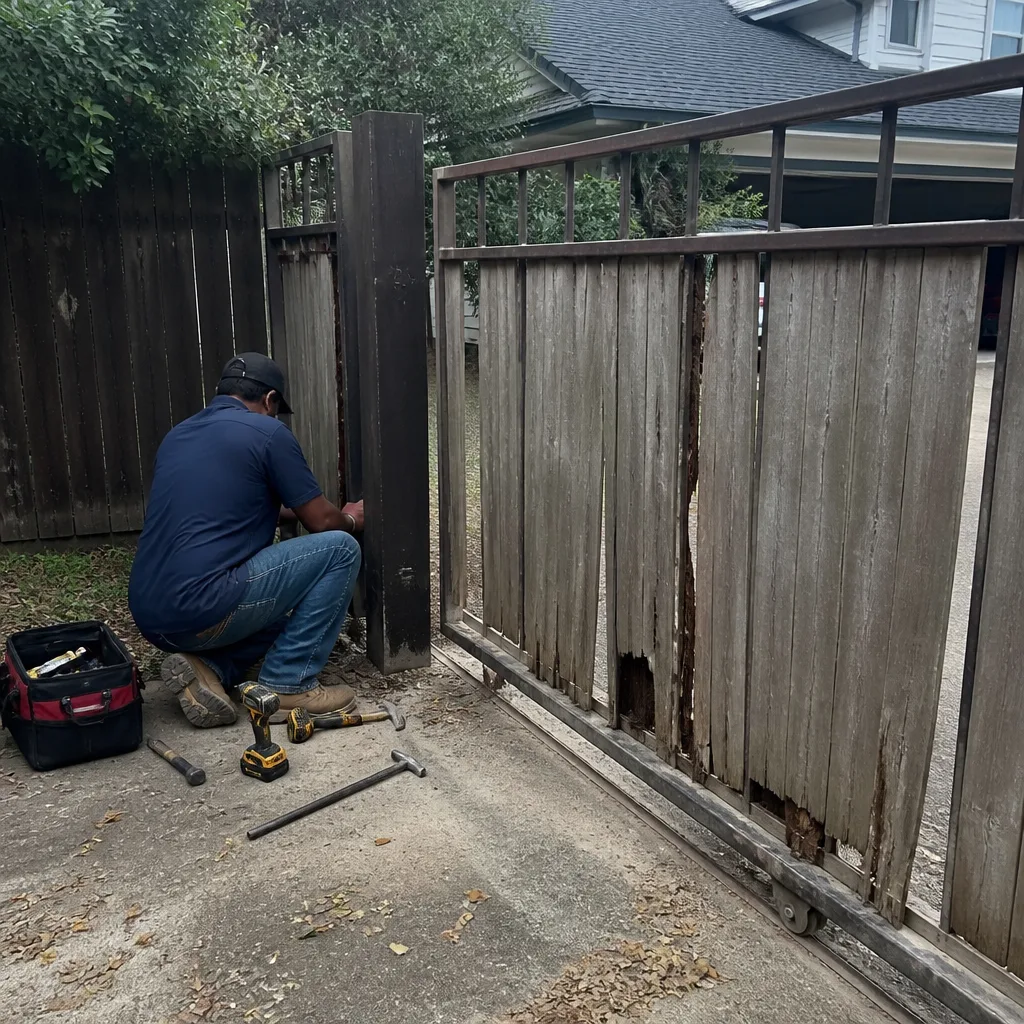 Before
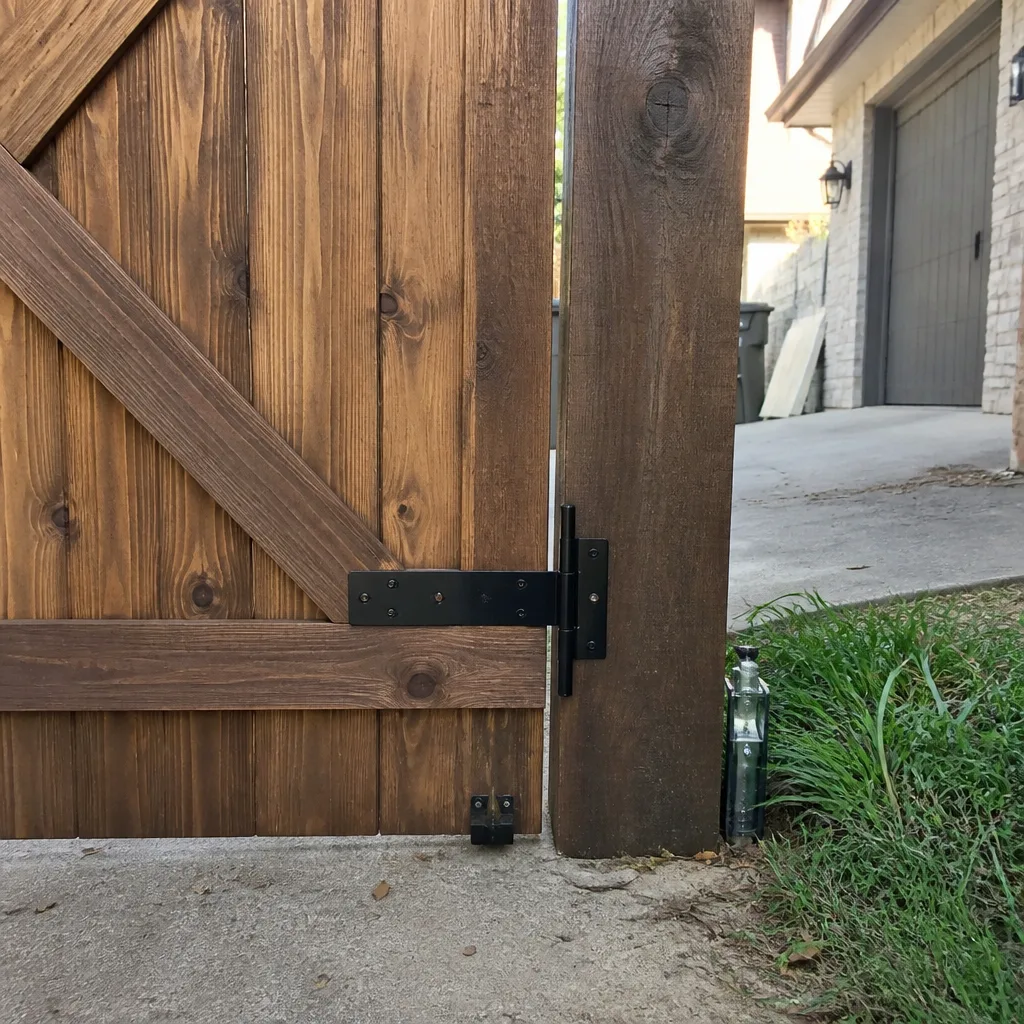 After
After